

Can Australia's Innovation Hubs Inspire the Future of Home Design?
Exploring Innovation Hubs
Purpose and Structure
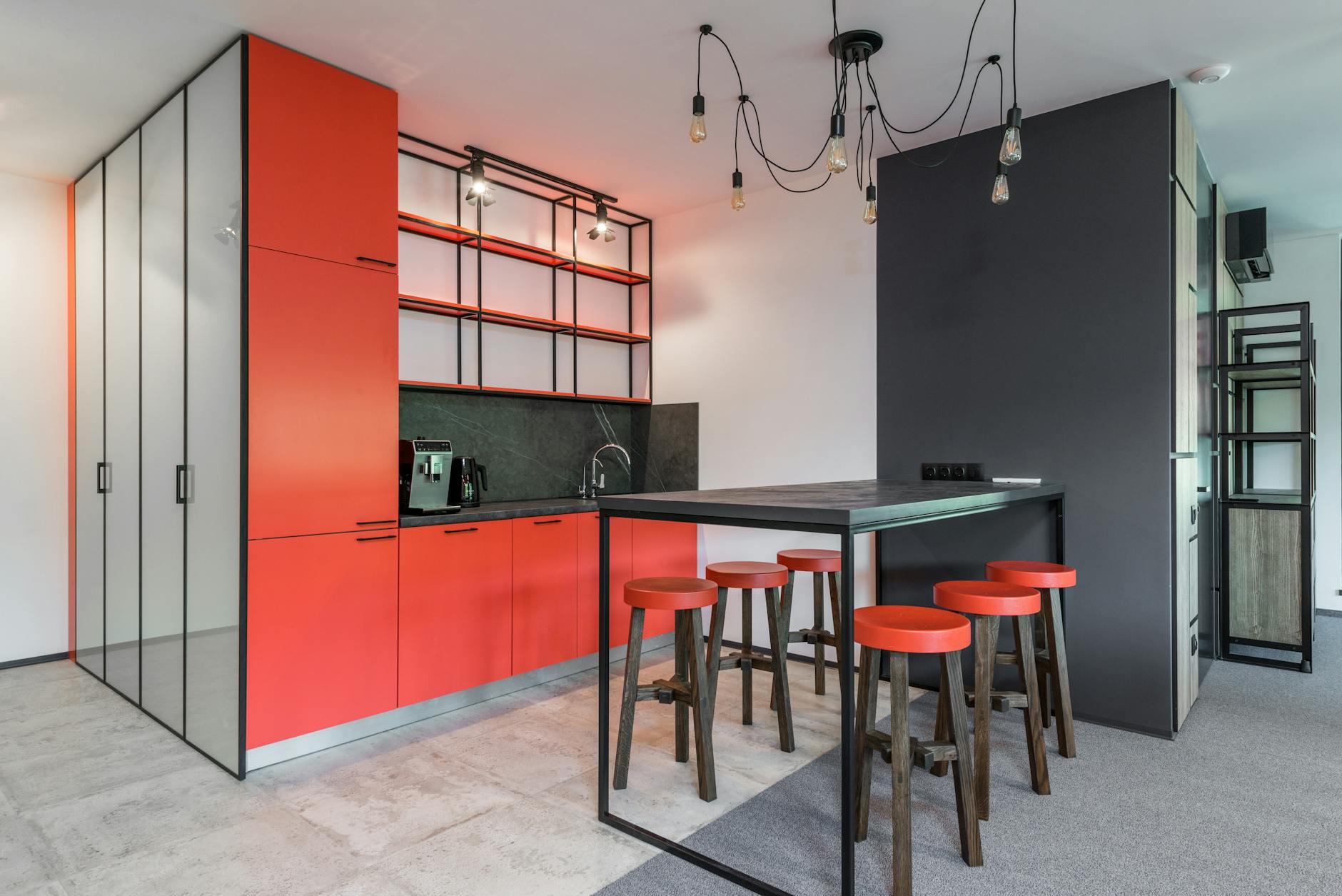
In the bustling world of tech and design, innovation hubs are transformative spaces where creativity meets cutting-edge technology. Here in Sydney, places like the design studios at Darling Harbour foster an environment where tech enthusiasts and professionals can push boundaries. These hubs are strategically structured to provide open workspaces, collaborative meeting rooms, and state-of-the-art labs, all of which are essential for fostering innovation. Within these dynamic environments, innovators can brainstorm, develop prototypes, and network with other professionals who share their passion for technology Zip Tap.
Key Features and Amenities
The innovation hubs near Pyrmont, for example, offer a suite of amenities tailored to those at the forefront of tech design. From high-speed internet connectivity and VR demo rooms to AI-powered tools, these facilities ensure that every need of a tech-driven professional is met. Co-working spaces equipped with smart furniture, advanced audio-visual setups, and rapid prototyping machines enable seamless project development. This kind of infrastructure plays a crucial role in supporting visionary projects and streamlining collaboration among diverse teams.
Success Stories
Looking at success stories, the technology exhibits at the Powerhouse Museum highlight numerous projects conceived in Sydney's innovation hubs. These initiatives range from sustainable building technologies to smart home innovations that incorporate advanced systems like Zip Tap. Designers and start-ups have successfully leveraged the expertise and resources available in these hubs, demonstrating their transformative power in turning ambitious ideas into reality.
Taking Action Toward Innovation
Evaluating Design Studio Needs
As we stand on the threshold of innovation, evaluating the specific needs of our design studios around Darling Harbour is crucial. Begin by conducting a comprehensive assessment to understand the current infrastructure and identify areas that require enhancement. Engaging stakeholders from various sections, such as the technology exhibits at the Powerhouse Museum, can offer unique insights. This step ensures that any advancements are not only cutting-edge but also practical, enabling custom ducted air conditioning systems to seamlessly merge with existing studio structures.
Planning for Strategic Implementation
Once the evaluation is complete, crafting a strategic implementation plan becomes the next logical step. This plan should detail the technologies to be adopted, focusing on smart home integration and energy efficiency options popular in Pyrmont's innovation hubs. Additionally, consider incorporating flexible financing solutions like loans low income no credit check to support the financial spectrum of your endeavours. Such comprehensive planning enhances project feasibility and mitigates potential roadblocks.
Assessing Long-Term Design Impact
The final action is assessing the long-term impact of these design and technology integrations. It's imperative to establish metrics and KPIs that resonate with the cutting-edge goals of your project. Moreover, fostering a culture of continuous feedback and innovation will keep the design ethos alive and dynamic. Collaborating with tech-centric platforms in Sydney can offer fresh perspectives, ensuring your innovations remain at the forefront of the industry. As you engage with future developments, maintaining a balance between technological prowess and sustainable design will be key to bridging the gap between present actions and future aspirations.